

Winter brings cozy sweaters, chilly mornings, holiday travel, and outdoor adventures. But have you considered how the season can affect your favorite jewelry? Cold weather can temporarily change how your rings fit, woolen clothing may catch on delicate settings, and hand creams can leave gemstones looking less brilliant. Certain gemstones also need extra care around sudden changes in temperature.
How can you protect jewelry during winter? Start by checking ring fit, putting jewelry on after winter clothing, storing each piece separately, removing valuable jewelry before outdoor sports, cleaning it according to its materials, and avoiding extreme heat or sudden temperature changes for sensitive gemstones. These six simple winter jewelry care tips will help you reduce preventable damage and accidental loss.
Why Does Jewelry Need Extra Care in Winter?
Cold weather does not automatically harm every piece of fine jewelry. Most everyday risks come from changes in ring fit, snagging on scarves or gloves, accidental knocks, and residue from lotions. For some gemstones, especially opals and fracture-filled emeralds, heat, treatments, and abrupt temperature changes deserve special attention.
Whether you wear a diamond engagement ring every day or save your gemstone jewelry for special occasions, the right precautions depend on the stone, setting, and activity.
6 Essential Winter Jewelry Care Tips
Check Your Ring Fit Before Going Outside
- Check whether your ring slides over the knuckle too easily before leaving home.
- Remove gloves carefully and check that your ring is still in place.
- If the fit changes temporarily, ask a professional jeweler whether a suitable removable ring adjuster could help.
- If your ring consistently slips or feels uncomfortably tight, seek professional fitting advice rather than forcing an adjustment yourself.
Prevent Sweaters, Scarves, and Gloves from Snagging Jewelry
- Put on sweaters, scarves, and gloves before adding jewelry whenever practical.
- Take rings and bracelets off before removing fitted gloves or tight sleeves.
- Check that necklace clasps are properly closed and chains are not trapped under clothing.
- Look out for raised or damaged prongs that repeatedly catch on fabric.
- Have a jeweler inspect a ring if a prong feels rough, bent, or loose.
Store Jewelry Safely During Winter Travel
- Pack each item in its own soft pouch or a divided, fabric-lined travel case.
- Fasten necklaces before packing them, and separate delicate chains.
- Keep pearls, opals, and other easily scratched materials apart from harder gemstones.
- Store jewelry in a clean, dry location away from heaters, direct sunlight, and unnecessary temperature extremes.
- Avoid leaving valuable jewelry in unattended luggage, a parked vehicle, or an unsecured hotel room.
- Make sure each piece is dry before putting it away, particularly after exposure to snow or moisture.
Remove Fine Jewelry Before Skiing and Winter Sports
- Remove valuable rings, bracelets, dangling earrings, and necklaces that could catch on equipment.
- Store them securely before reaching the slopes or rink; do not place loose jewelry in an open pocket.
- Do not wear delicate gemstone jewelry while handling heavy winter sports equipment.
- After an accidental impact, check your setting and clasp before wearing the piece again.
Clean Away Winter Lotion and Product Buildup Safely
- Apply hand cream or skincare products first and let them absorb before putting on rings.
- Wipe suitable jewelry gently with a clean, soft, lint-free cloth after wear.
- For durable, untreated jewelry where the stone and setting allow it, use lukewarm water and a little mild soap, then dry thoroughly.
- Never assume that soaking, brushing, steam, or ultrasonic cleaning is safe for every gemstone.
- Ask a professional jeweler for cleaning advice if you do not know whether a stone has been treated or a setting is secure.
Have you noticed that your favorite ring sometimes feels looser on cold days? Finger size can fluctuate with temperature, activity, and other factors. When your fingers become smaller in the cold, a ring that usually fits comfortably may slip more easily, especially when you remove gloves or wash your hands.
What to do:
Jewelry care tip: A ring guard or adjuster may improve a temporarily loose fit, but it cannot guarantee that a ring will not fall off. Make sure any adjuster is compatible with your ring's metal and setting.
Winter outfits often involve thick knits, scarves, mittens, and several layers of clothing. Loose threads can catch on necklace clasps, earring posts, and the prongs that hold a diamond or gemstone in place. Repeated snagging may bend a vulnerable prong or loosen an already-worn setting.
How to avoid clothing snags:
Pro tip: Lower-profile or bezel settings may reduce some snagging compared with raised prong settings, although no setting is completely snag-proof. If you regularly wear engagement rings with knitwear, a routine setting inspection is especially worthwhile.
Whether you are taking a weekend getaway or traveling somewhere snowy, jewelry can be damaged when pieces rub against each other in a suitcase. A diamond can scratch other gems, delicate chains can tangle, and earrings can be misplaced when stored loosely.
Follow these winter jewelry storage tips:
Pro tip: For valuable jewelry you cannot comfortably secure while traveling, it may be safer to leave it in an appropriate secure location at home. Consider suitable jewelry insurance for pieces you wear or travel with regularly.
Skiing, snowboarding, sledding, ice skating, and snowball fights are fun winter activities, but they also introduce avoidable risks for jewelry. Gloves can pull at rings, falls can damage settings, and a small piece of jewelry can be very difficult to recover from snow.
Before heading outdoors:
If you are wearing an engagement ring on a winter holiday, a secure storage option is often better than risking loss during physical activities.
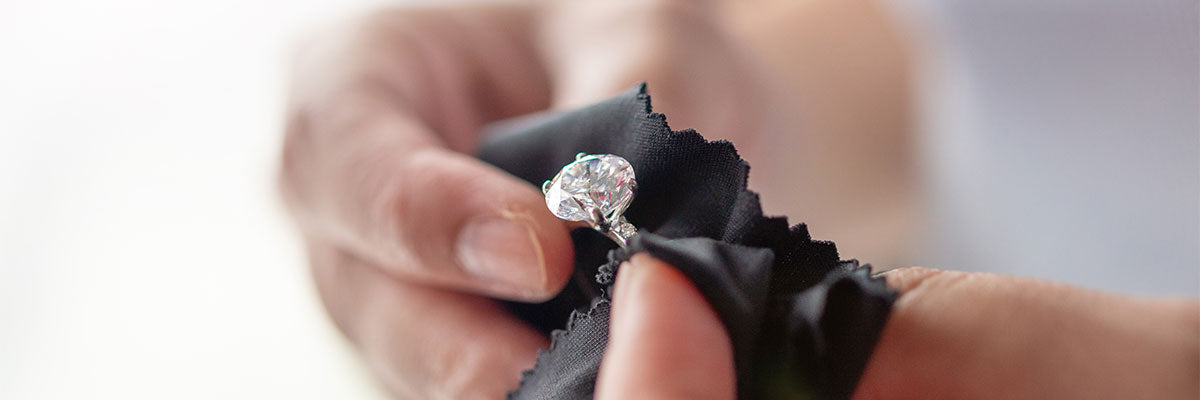
Hand creams, body lotions, sunscreen, and everyday skin oils can leave a film on gemstones and metal surfaces. This residue may make jewelry appear cloudy or less sparkly, but it does not necessarily mean the gemstone itself has lost color.
Make these simple habits part of your winter routine:
Important: Pearls, opals, fracture-filled emeralds, glued components, and certain other treated or delicate materials require more specific precautions. Do not use abrasive detergents or household chemicals on fine jewelry.
For additional guidance, read our guide to caring for your gemstone ring or our tips on lab-grown diamond engagement ring care.
Protect Sensitive Gemstones from Sudden Temperature Changes
Walking from a cold outdoor setting into a warm room does not usually damage every piece of jewelry. However, sudden temperature changes and high heat can be problematic for certain gemstones or treatments.
For example, the Gemological Institute of America notes that high heat or abrupt temperature changes can cause opal to fracture. Heat can also affect existing fractures and fillings in emeralds.
How to reduce the risk:
- Keep sensitive gemstone jewelry away from direct heat sources, such as fireplaces, radiators, and intense heat lamps.
- Avoid placing chilled gemstones directly into hot water for cleaning.
- Do not try to dry jewelry quickly with a hair dryer or heater.
- Store opals and other sensitive stones under appropriate, reasonably stable indoor conditions.
- Ask your jeweler about the care requirements of composite gems, treated stones, or pieces with visible fractures.
Pro tip: Treat gemstones according to their specific properties, rather than assuming that every gem reacts to winter weather in the same way.
Winter Jewelry Care by Gemstone and Metal Type
Not every material needs the same care. Use this quick reference to choose sensible precautions for the jewelry you own.
|
Remember: A gemstone's treatment, construction, and setting can change its care requirements. If you are uncertain about a valuable or inherited piece, consult a qualified jeweler before cleaning it at home.
Your Quick Winter Jewelry Care Checklist
Before you head out on a cold day, use this simple checklist:
- Check the fit: Make sure rings are not unusually loose.
- Check the setting: Look for bent prongs, loose stones, or damaged clasps.
- Dress first: Put on fitted winter clothing before delicate jewelry where practical.
- Apply lotion first: Let moisturizers absorb before wearing jewelry.
- Remove jewelry for sports: Store valuable pieces securely before outdoor activities.
- Pack pieces separately: Use a divided jewelry organizer when traveling.
- Know your gemstone: Take special care with opals, pearls, emeralds, and treated gems.
Design a Ring That Feels Like Your Story
Explore IGI-certified lab-grown diamonds, handcrafted settings, ethical gemstones, and customizable engagement ring designs made for modern love.
Frequently Asked Questions About Winter Jewelry Care
1. Can cold weather damage jewelry?
Cold weather does not automatically damage most fine jewelry. The more common winter concerns are temporarily loose rings, clothing snagging on settings, and accidental loss during outdoor activities. Certain gemstones, including opals, can be more vulnerable to high heat or sudden temperature changes, so material-specific care matters.
2. Why does my ring feel loose in winter?
Finger size can fluctuate with temperature, and some people's fingers become smaller in cold conditions. This can make a normally comfortable ring easier to slip off. Check the fit before going outside, be careful when removing gloves, and speak to a jeweler if the ring repeatedly feels insecure.
3. Is it safe to wear a diamond ring in the snow?
Snow itself does not typically harm a secure diamond ring. The greater risks involve a ring slipping from cold fingers, an impact damaging the setting, or losing it while taking off gloves. Remove valuable rings before skiing, snowboarding, or other high-impact winter activities.
4. How should I store jewelry during winter?
Keep jewelry clean and dry in a secure, soft-lined box or organizer with separate compartments. Avoid storing delicate pieces together where they may scratch. Choose a location away from direct heat, intense sunlight, and prolonged dampness, and take particular care with sensitive gemstones.
5. Can winter hand lotion damage jewelry?
Hand lotion often leaves residue that makes gemstones and metal look dull. Ordinary buildup can usually be addressed with an appropriate cleaning method, but some products and cleaning chemicals can be unsuitable for delicate or treated materials. Apply lotion first, let it absorb, and check care instructions for your jewelry.
6. Should I remove my engagement ring before skiing?
Yes, removing a valuable engagement ring before skiing or snowboarding is generally the safer choice. Gloves, equipment, impacts, and snowy conditions increase the chance of loss or damage. Put the ring in a secure jewelry case before the activity rather than a loose jacket pocket.
7. Which gemstones need extra care during winter?
Opals merit particular caution around high heat and sudden temperature changes. Pearls can be scratched easily and may be affected by cosmetics or heat. Fracture-filled emeralds require care with heat and cleaning methods. Other treated or assembled gemstones may have additional requirements.
8. How often should I clean jewelry in winter?
There is no single cleaning schedule suitable for every piece. Wipe appropriate jewelry after wearing it, especially when lotion residue builds up, and clean more thoroughly only as often as the material and setting safely allow. Ask a jeweler to inspect pieces with loose stones, worn prongs, or uncertain treatments.
Final Thoughts: Keep Your Jewelry Beautiful All Winter
Winter jewelry care does not need to be complicated. Check your ring fit, take care around thick clothing, pack jewelry separately when traveling, remove valuable pieces before winter sports, and follow the right cleaning and temperature precautions for each gemstone. A few thoughtful habits can help your favorite jewelry remain beautiful and wearable throughout the season.
If you would like more winter styling inspiration, explore our gemstone eternity ring ideas for winter.
Gemstone Care References
For more detailed guidance on delicate gemstones, consult the Gemological Institute of America: Emerald Care and Cleaning, Opal Care and Cleaning, and Pearl Care and Cleaning.